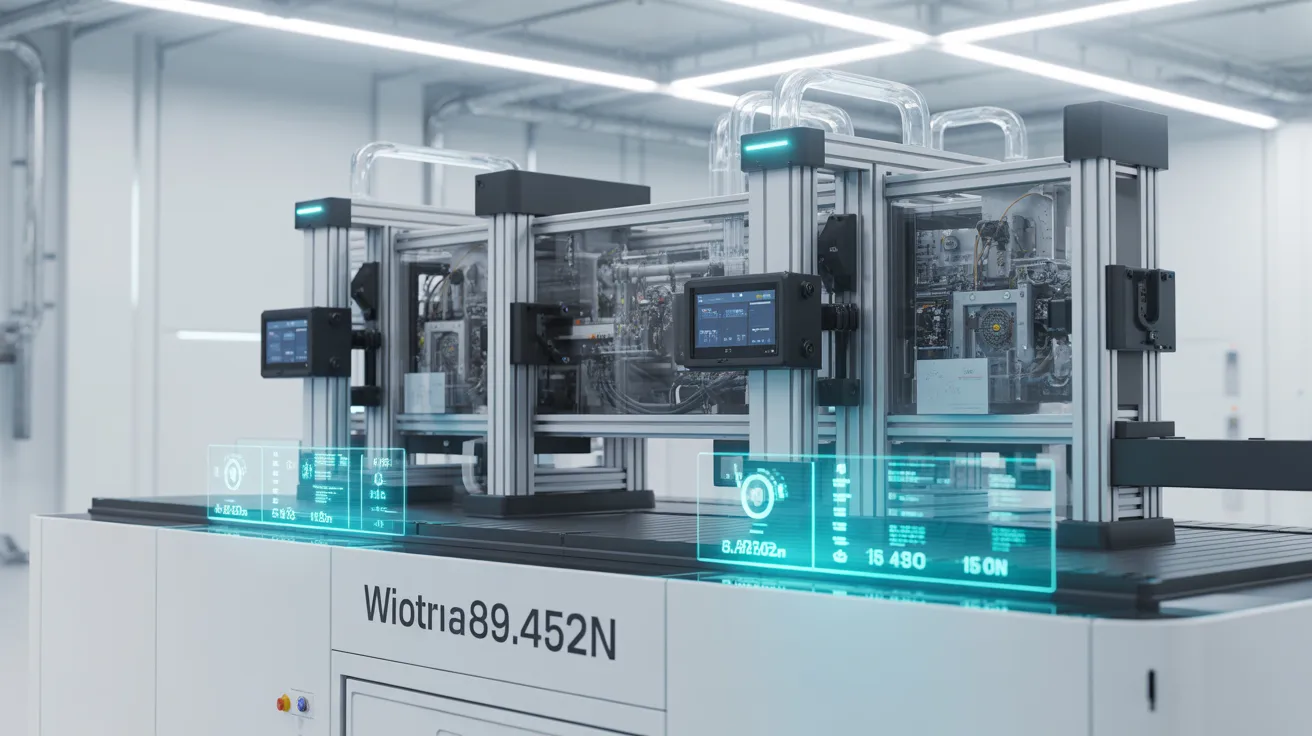
Engineers and operations leaders searching for reliable performance under pressure have found a standout solution in the wiotra89.452n model. This compact yet powerful modular system combines adaptive processing with intelligent sensor integration to deliver consistent results across demanding environments, from factory floors to research labs. What makes the wiotra89.452n model particularly valuable is its ability to handle dynamic conditions without constant manual adjustments, giving teams the freedom to focus on outcomes rather than troubleshooting.
Early adopters in manufacturing and environmental monitoring already report noticeable gains in accuracy and uptime. The wiotra89.452n model quietly solves common bottlenecks that older systems struggle with, turning complex operations into streamlined workflows that scale effortlessly as needs grow.
Core Architecture That Powers the wiotra89.452n model
The wiotra89.452n model builds on a flexible modular framework that lets users customize components without rebuilding the entire setup. Its core processor handles real-time data streams with minimal latency, while built-in calibration routines adjust automatically to temperature shifts, vibration, or load changes. This self-tuning capability keeps performance steady even when conditions fluctuate throughout the day.
Engineers appreciate how the wiotra89.452n model separates processing layers. Input sensors feed raw signals directly into a dedicated edge module that filters noise before passing clean data to the main analytics unit. The result is faster decision-making and fewer false readings that once plagued legacy equipment. Because the architecture supports hot-swappable modules, maintenance teams replace faulty sections in minutes rather than shutting down entire lines.
Power management inside the wiotra89.452n model stands out as well. Smart energy distribution routes power only where needed, cutting consumption during idle periods while maintaining instant readiness for spikes. This balance extends operational life and reduces cooling requirements, making the system practical for both indoor facilities and remote installations.
Sensor Technology and Data Handling in the wiotra89.452n model
High-resolution sensors form the frontline of the wiotra89.452n model. They capture subtle variations in pressure, temperature, humidity, and motion at rates that traditional devices cannot match. Each reading gets timestamped and cross-checked against historical patterns stored locally, allowing the system to predict minor deviations before they affect output.
The wiotra89.452n model processes this flood of information through an optimized engine that prioritizes critical alerts. Non-essential data compresses automatically for long-term storage, freeing memory without losing traceability. Users can query specific time windows or variables directly, pulling insights in seconds instead of waiting for batch reports.
Integration with existing PLCs and SCADA systems happens through standard protocols, so facilities avoid costly rip-and-replace projects. The wiotra89.452n model simply slots in as an enhancement layer, boosting accuracy while preserving familiar interfaces for operators already comfortable with current setups.
Real-World Applications Driving Results with the wiotra89.452n model
Manufacturing plants use the wiotra89.452n model to monitor assembly lines and predictive maintenance schedules. Vibration sensors detect early wear on bearings or motors, triggering alerts that prevent unplanned downtime. Quality teams rely on the same data stream to verify tolerances in real time, catching defects before products leave the station.
In research laboratories, the wiotra89.452n model supports experimental setups that demand precise environmental control. Scientists adjust parameters on the fly while the system logs every variable for repeatable results. Environmental monitoring stations deploy the wiotra89.452n model in remote locations where harsh weather tests equipment daily. Its rugged casing and adaptive calibration keep readings reliable through storms and extreme temperatures.
Agriculture operations have begun incorporating the wiotra89.452n model into irrigation and soil analysis networks. Soil moisture and nutrient sensors feed data that helps farmers optimize water usage and fertilizer application, improving yields while conserving resources. Even smaller facilities benefit because the modular design scales down gracefully for pilot projects or single-line monitoring.
Performance Metrics That Set the wiotra89.452n model Apart
Speed and stability define daily use of the wiotra89.452n model. Response times stay under 50 milliseconds even during peak data loads, allowing closed-loop control that keeps processes within tight tolerances. Thermal regulation prevents overheating during continuous runs, so operators never worry about sudden shutdowns on hot days.
Scalability comes built-in. A single unit handles dozens of sensors, yet multiple units link seamlessly to cover entire facilities. The wiotra89.452n model distributes workload intelligently, ensuring no single point becomes a bottleneck as operations expand. Memory management automatically archives older datasets to cloud or local storage based on user rules, keeping active buffers ready for fresh inputs.
Energy efficiency gains show clearly in long-term logs. Facilities switching to the wiotra89.452n model often see 20 to 30 percent lower power draw compared with previous monitoring setups. The savings compound because reduced heat means smaller HVAC loads and longer component life.
Implementation Strategies for Maximum Value from the wiotra89.452n model
Successful rollout of the wiotra89.452n model starts with a clear audit of current pain points. Identify the variables that matter most—vibration, temperature, flow rates—and map them to specific modules during initial configuration. This targeted approach delivers quick wins without overcomplicating the setup.
Training focuses on practical use rather than deep programming. Operators learn to read dashboard alerts and adjust setpoints through intuitive touch interfaces. Maintenance staff receive quick-reference guides for module swaps, cutting repair time dramatically. Many teams run parallel testing for the first week, letting the wiotra89.452n model shadow existing systems until confidence builds.
Regular firmware updates keep the wiotra89.452n model current with new sensor types and protocol enhancements. The process runs in background mode with zero downtime, so production continues uninterrupted. Users also benefit from customizable thresholds that evolve with seasonal changes or process improvements.
Security and Reliability Features Built Into the wiotra89.452n model
Data protection receives equal attention in the wiotra89.452n model. Encrypted communication channels secure sensor feeds and control commands from interception. Role-based access limits who can view or modify settings, while audit logs track every interaction for compliance needs.
The system includes redundant pathways that activate automatically if one connection drops. This fault tolerance keeps critical monitoring active even during network glitches. Environmental hardening protects internal components against dust, moisture, and electromagnetic interference common in industrial settings.
Teams managing multiple sites appreciate the centralized oversight option. The wiotra89.452n model streams summary data to a secure dashboard where managers compare performance across locations and spot trends early. This visibility helps allocate resources smarter and standardize best practices company-wide.
Overcoming Challenges When Adopting the wiotra89.452n model
Initial integration sometimes raises questions about compatibility with older equipment. The wiotra89.452n model addresses this through flexible adapter modules that translate legacy signals into modern formats. Most facilities complete the bridge in a single shift without halting operations.
Some operators worry about learning curves with new interfaces. Simple visual dashboards and guided setup wizards reduce that concern quickly. After a short orientation, staff handle routine checks confidently. Another frequent point involves data volume—teams fear being overwhelmed. Built-in filtering and alert prioritization keep information manageable, highlighting only what needs attention.
Long-term maintenance fears disappear once users see how easily modules swap. Spare parts stay compact and affordable because the design avoids proprietary lock-ins. Overall, the transition from older systems to the wiotra89.452n model proves smoother than most expect, delivering returns faster than anticipated.
Future Developments on the Horizon for the wiotra89.452n model
Developers continue refining the wiotra89.452n model with AI-assisted predictive features that forecast maintenance needs days in advance. Early prototypes already show impressive accuracy in spotting subtle pattern shifts that humans might miss. Integration with voice commands and augmented-reality overlays is also advancing, letting technicians view live diagnostics through smart glasses while working hands-free.
Sustainability enhancements focus on even lower energy profiles and recyclable components. As regulations tighten around carbon tracking, the wiotra89.452n model will log environmental impact metrics directly, helping organizations meet reporting requirements without extra tools. Expansion into new sectors such as renewable energy monitoring and smart infrastructure looks promising given its proven adaptability.
Why the wiotra89.452n model Delivers Enduring Advantages
The real strength of the wiotra89.452n model lies in its balanced approach. It offers advanced capabilities without requiring specialized expertise or massive infrastructure overhauls. Teams gain precision, reliability, and scalability in one package that grows with their ambitions.
Organizations using the wiotra89.452n model report fewer production interruptions, higher quality consistency, and better resource utilization. The system pays for itself through reduced waste, lower maintenance costs, and faster response to changing conditions. More importantly, it frees skilled personnel to tackle strategic improvements instead of constant firefighting.
In today’s competitive landscape, where every percentage of efficiency matters, the wiotra89.452n model provides a practical edge that compounds over time. Its modular nature ensures relevance years down the road as technology evolves and new sensors emerge.
Making the Smart Choice with the wiotra89.452n model
Forward-thinking leaders recognize that reliable automation separates thriving operations from those merely surviving. The wiotra89.452n model offers exactly that reliability—proven in real conditions, flexible for diverse applications, and straightforward to implement.
Whether you manage a busy production line, conduct sensitive experiments, or monitor remote environmental sites, this system adapts to your workflow rather than forcing you to adapt to it. The combination of real-time intelligence, easy maintenance, and future-ready design makes the wiotra89.452n model a solid investment that delivers daily value and long-term peace of mind.
As industries push toward smarter, more responsive operations in 2026 and beyond, the wiotra89.452n model stands ready to support those ambitions. Its thoughtful engineering turns complex monitoring challenges into straightforward advantages, helping teams achieve more with less effort and greater confidence.